Ontario's Premier Fabricator
and Installer of Metal Roofing
London Eco-Metal Blog

Metal Roofing Blog

Why Are Metal Roofs Beating Toronto Snowstorms?

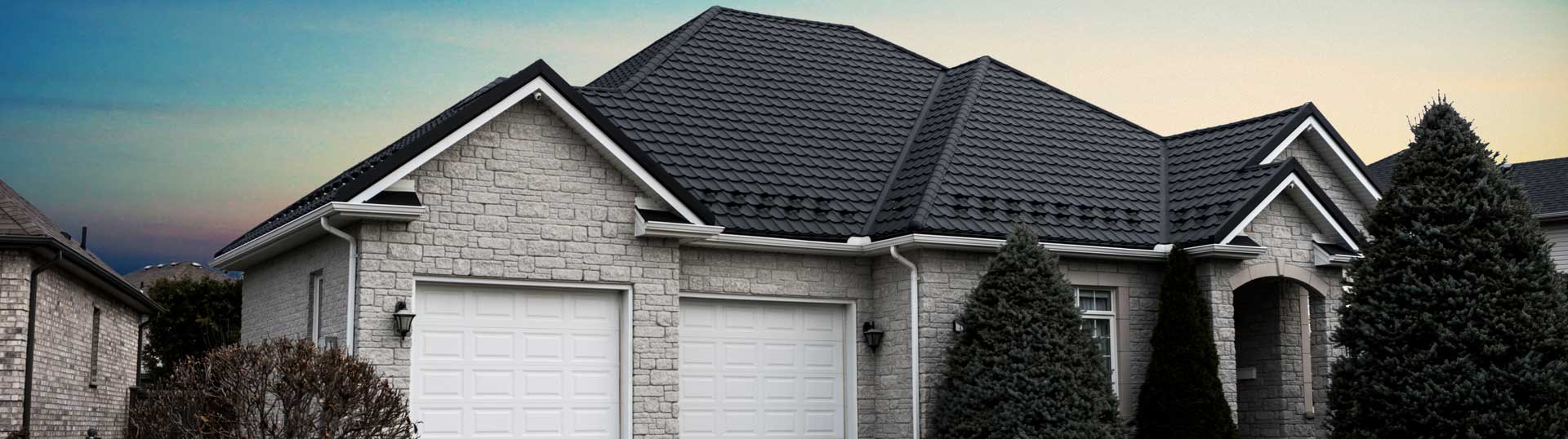
Toronto gets one hundred twenty-two cm of snow per year. That weight crushes traditional roofs. Metal roofing Toronto homes feature now sheds snow naturally and lasts fifty years.​

The Numbers Behind Metal’s Winter Success

Traditional asphalt shingles last fifteen to twenty years in Toronto’s climate. Metal roofs last fifty years or more. That’s triple the lifespan.​

Studies show metal roofs save homeowners thirty percent on cooling costs and reduce heating costs too. Energy savings add up to six hundred to eight hundred dollars annually.​

Snow shedding reduces roof stress by seventy percent compared to asphalt. Metal’s smooth surface releases snow before dangerous loads build.​

How Snow Behaves On Different Roof Types

Asphalt shingles have rough, layered surfaces. Snow and ice grip these textures. Weight accumulates. Ice dams form at eaves.​

Metal roofs have smooth, slippery surfaces. Snow slides off when temps rise above zero. This prevents dangerous accumulation.​

Toronto temps swing from minus eighteen to plus five regularly. These swings melt bottom snow layers on metal roofs. Gravity pulls snow down and off.​

Ice Dam Prevention

Ice dams cause millions in damage yearly. They form when snow melts, flows to roof edges, and refreezes.​

Asphalt shingles create layers where water pools. Metal roofs have vertical seams that channel water down and off.​

Metal roof edges stay cooler than asphalt. Less heat transfer means less melt-refreeze cycling. Ice dams rarely form on properly installed metal roofs.​

Toronto data shows metal roofs experience seventy percent fewer ice dam incidents than asphalt.​

Wind Resistance During Storms

Toronto winter winds hit seventy-one km per hour or higher during storms. Asphalt shingles lift and tear in high winds.​

Metal panels interlock and fasten securely. Wind can’t get under them. Even at one hundred km per hour gusts, metal roofs stay intact.​

Insurance claims data shows metal roofs file forty percent fewer wind damage claims than asphalt in Ontario.​

Durability Through Freeze-Thaw Cycles

Toronto experiences fifty to eighty freeze-thaw cycles per winter. Water seeps into asphalt shingle cracks. Freezing expands it. Cracks widen.​

Metal doesn’t absorb water. No expansion damage occurs. Coatings prevent rust.​

After twenty years, asphalt shingles show cracking, curling, and granule loss. Metal roofs show minimal wear.​

Energy Performance In Cold Weather

Metal roofs reflect heat back into homes during winter. This reduces furnace runtime by fifteen to twenty percent.​

Insulated metal roof systems achieve R-values of thirty or higher. Asphalt with standard attic insulation hits R-twenty.​

Higher R-values mean less heat escapes. Toronto homeowners save two hundred to four hundred dollars per winter on heating.​

Summer benefits multiply—metal reflects ninety-five percent of solar heat. Cooling costs drop thirty percent.​

Installation and Maintenance Comparison

Metal roof install takes three to five days for average homes. Asphalt takes two to four days.​

Metal needs almost zero maintenance over fifty years. Asphalt requires inspections every five years and repairs every eight to ten years.​

Lifetime costs favor metal significantly. Initial cost runs eight to fifteen dollars per square foot for metal versus four to eight for asphalt. But over fifty years, metal costs less.​

  • Metal lasts fifty-plus years vs. fifteen to twenty for asphalt​

  • Snow sheds naturally, reducing roof stress seventy percent​

  • Ice dams occur seventy percent less often​

  • Wind damage claims drop forty percent​

  • Heating costs fall fifteen to twenty percent​

  • Cooling costs drop thirty percent​

  • Lifetime savings exceed ten thousand dollars​

Toronto Homeowner Adoption Rates

Metal roofing adoption jumped thirty percent in Toronto area from twenty twenty-three to twenty twenty-five. More homeowners recognize long-term value.​

Surveys show eighty-five percent of metal roof owners would choose metal again. Satisfaction rates exceed ninety percent.​

Resale value increases too—homes with metal roofs sell for two to six percent more than comparable homes with asphalt.​

Weather Data Confirms Metal’s Edge

Environment Canada data shows Toronto averages one hundred twenty-two cm of snow annually. Peak snow load events occur three to five times per winter.​

Metal roofs handle loads up to three hundred kg per square meter. Asphalt fails at two hundred kg per square meter.​

Storm damage reports from twenty twenty-four winter show metal roofs sustained eighty percent less damage than asphalt during heavy snow events.​

The Clear Winner

Data proves metal roofing Toronto systems outperform asphalt in every winter metric. Snow shedding, ice dam prevention, wind resistance, energy efficiency, and longevity all favor metal.​

Upfront costs are higher. But fifty-year lifespan and energy savings create positive returns.​

Toronto’s brutal winters demand tough roofs. Metal delivers.​

2026 Church Roof Threats Nobody Talks About

Winter in Toronto can be brutal on church roofs. Most people know about snow and ice damage. But there are hidden threats that deserve your attention.

Let’s talk about what’s coming your way this winter season.

The Freeze-Thaw Cycle Problem

Toronto winters bring constant temperature changes. Water seeps into small cracks during warmer days. When temperatures drop at night, that water freezes and expands. This process pushes cracks wider each time it happens.

Your church roof takes this beating day after day. Small problems become big ones fast. By spring, you might face serious damage that wasn’t there in fall.

Winter Wildlife Looking for Shelter

Birds and squirrels need warm places during cold months. Your church roof offers perfect hiding spots. These animals squeeze through tiny openings you didn’t know existed.

Once inside, they nest in your attic space. Their activities damage insulation and create new entry points. Droppings and nesting materials cause additional problems you won’t see right away.

Ice Dam Formation

Heavy snow sits on your roof all winter long. Heat from inside your building melts the bottom layer. This water runs down toward the edges and freezes again. Ice builds up along the gutters and eaves.

These ice dams block proper drainage when thaws happen. Water backs up under your shingles instead of flowing off. This leads to leaks that damage ceilings and walls inside.

Hidden Moisture Accumulation

Toronto’s winter humidity creates problems people often miss. Warm air from heating systems rises to your attic. When it meets cold roof surfaces, condensation forms. This moisture collects over weeks and months.

Your roof deck and supporting structures absorb this water. Wood begins to rot from the inside out. You won’t notice until the damage becomes severe.

Age-Related Vulnerability

Every roof gets weaker as years pass. Materials that held strong last winter might struggle this year. Winter weather speeds up the aging process dramatically.

Church roofs often cover large spans with complex designs. These structures face extra stress during heavy snow loads. What worked fine for decades might suddenly fail.

Membrane and Flashing Deterioration

Flat sections on church roofs rely on waterproof membranes. Cold temperatures make these materials brittle and less flexible. Cracks develop along seams and connection points.

Flashing around chimneys and vents faces the same issue. Metal expands and contracts with temperature swings. Seals break down faster than during warmer seasons.

Planning for Church Roof Repair Toronto

Spring seems far away right now. But damage happening this winter will need attention soon. Smart church leaders start planning before problems become emergencies.

Professional inspections help catch issues while they’re still small. Getting on a contractor’s schedule early makes sense. Many churches discover damage in March when roofing companies get busy.

Toronto’s weather patterns make timing important for church roof repair Toronto projects. You want work completed before the next winter arrives. Starting conversations now helps ensure that happens.

Taking Action: Call Us Today

Walk around your building after winter storms. Look for icicles and ice buildup patterns. Check inside for water stains on ceilings. These signs tell you something needs attention.

Don’t wait for small problems to grow. The coming months will test your roof’s limits. Being proactive saves you from bigger headaches down the road.

Your church building serves your community year-round. Protecting it starts with understanding what winter really does to roofs. Now you know the threats most people miss.

Why Pick Metal Roofs for Toronto Harsh Winters?

Selecting the right metal roof for a cold climate is essential for long-term protection, energy efficiency, and safety. The best systems are engineered to manage heavy snow loads, prevent ice damming, and endure constant freeze-thaw cycles.

Top Metal Roof Types for Harsh Winters

The most highly recommended metal roof for regions that experience significant snowfall and freezing temperatures is the Standing Seam Metal Roof.

1. Standing Seam Metal Roofs

This type of roof features large, vertical metal panels that join together with raised, interlocking seams. The fasteners are concealed, meaning the metal surface remains smooth and impenetrable.

  • Snow Shedding: The smooth, slick surface and vertical panel design allow snow and ice to slide off efficiently. This snow shedding capability is a major benefit, as it prevents the dangerous buildup of heavy snow loads.
  • Ice Dam Prevention: Because the material’s conductive properties help maintain a more consistent roof surface temperature, and snow sheds more easily, standing seam roofs drastically reduce the conditions under which ice dams form at the eaves.
  • Thermal Movement: The panels are typically installed with “floating” attachments which allow the metal to naturally expand and contract with the wide temperature swings of cold climates (known as thermal cycling) without damaging the material or fasteners.
  • Durability: The interlocking, exposed-fastener-free design provides superior protection against wind uplift—a key defense during harsh winter storms.

2. Stone-Coated Metal Roofing

This option involves metal tiles or shingles coated with ceramic-coated stone granules. It provides the Class A fire rating and longevity of metal but offers the dimensional aesthetic of traditional shingles or tiles.

  • Lightweight: It is significantly lighter than clay or concrete tiles, meaning it can handle the additional weight of heavy snow loads without requiring major structural reinforcement.
  • Impact Resistance: These roofs typically carry the highest possible ratings for hail impact resistance, a common threat during severe winter and spring storms.

Top Features for Cold-Weather Performance

When evaluating any metal roofing material (steel, aluminum, copper, or zinc) for a cold climate, prioritize the following engineering characteristics:

A. Snow and Ice Management Systems

  • Slick Surface: The material must have a smooth surface finish to encourage snow to slide off.
  • Snow Guards / Snow Stops: While the smooth surface is good for shedding snow, it can create a hazard (a “roof avalanche”) by releasing a large, heavy sheet of snow or ice all at once. Snow retention systems (like snow guards or snow stops) are often installed on metal roofs to break the snowpack into smaller, controlled sections, allowing it to melt or shed gradually.
  • Adequate Slope: For maximum efficiency, a metal roof designed for snowy regions should have a minimum slope of 3:12 (a 3-inch rise over 12 horizontal inches) to facilitate shedding.

B. Material Quality and Gauge

  • Gauge/Thickness: Choose a sufficient thickness (lower gauge number indicates thicker metal, such as 24- or 26-gauge steel) to ensure the panels can withstand accumulated snow and ice without denting or deforming.
  • Protective Coatings: High-quality metal must be protected from corrosion. For steel, look for galvanized or Galvalume (zinc and aluminum alloy) coatings. The exposed finish should be a durable resin, which resists chalking, fading, and the corrosive effects of moisture and pollution.

C. Insulation and Ventilation

  • Condensation Control: Proper ventilation (e.g., ridge vents and soffit vents) is vital for metal roofs in cold climates. It prevents warm, moist air migrating from the heated interior from condensing and freezing beneath the metal deck, which can lead to moisture damage and compromised insulation.
  • Insulation: While metal is often reflective (good for summer cooling), it offers poor thermal resistance on its own. It is essential to install the metal roof over sufficient insulation and a good underlayment to maintain heat inside the building and prevent energy loss during winter.

When picking a roof, make sure to look for features like good snow management, strong materials, and proper insulation and ventilation. With the right metal roof, you can protect your home and feel confident that it can handle the challenges of winter.

Guard Churches With Long-Lasting Metal Roofs

A metal roof is the most enduring and cost-effective solution for safeguarding churches and places of worship in the Toronto area. Given the long-term investment and unique architectural requirements of religious buildings, metal roofing provides unmatched longevity, weather resistance, and low-maintenance stewardship.

The Case for Metal Roofing on Churches in Toronto

Churches, mosques, temples, and synagogues are often historical landmarks characterized by unique steeples, domes, and complex rooflines. Protecting these sacred and structurally significant buildings requires a roofing material that offers exceptional durability and minimal disruption over decades. Metal roofing is the superior choice for these reasons:

1. Unmatched Longevity and Stewardship

The primary driver for choosing metal is its service life. While traditional asphalt shingles in the Greater Toronto Area (GTA) may require replacement every 15-20 years due to harsh freeze-thaw cycles and UV exposure, a premium metal roof (such as steel, copper, or aluminum) is engineered to last 50 years or more.

  • Cost Efficiency: Although the initial installation cost is higher, the extended lifespan means the metal roof effectively pays for itself over time by eliminating the need for two or three costly re-roofing projects associated with conventional materials. This commitment to longevity is a powerful demonstration of responsible financial stewardship to the congregation.
  • Legacy Preservation: For historical churches, materials like copper have been proven to last for centuries, aging beautifully with a distinctive patina that preserves the building’s legacy and aesthetic integrity.

2. Superior Resistance to GTA Climate Extremes

Toronto’s climate—featuring heavy snow loads, ice damming, high winds, and intense summer heat—is particularly punishing on traditional roofs. Metal roofing is specifically designed to combat these threats:

  • Ice and Snow Management: Unlike granular shingles that retain snow and promote ice damming, metal roofs are inherently slick. Properly installed metal systems, especially standing seam, allow snow and ice to shed cleanly, preventing destructive ice dam formation and relieving stress from heavy snow loads.
  • Wind and Water Resistance: Metal panels feature concealed fasteners and robust, interlocking designs. This makes them highly resistant to strong winds that can peel back shingle tabs, maintaining a watertight seal through heavy rain and storms.
  • Fire Safety: Metal is a non-combustible material, providing a crucial Class A fire rating that adds an essential layer of safety and protection to the structure.

3. Energy Efficiency and Building Comfort

Churches often feature large, high ceilings, which can make heating and cooling costs substantial. Metal roofing contributes significantly to reducing these energy expenses:

  • Solar Reflectivity: Modern metal roofs utilize special coatings and finishes that reflect solar radiant heat. This keeps the building cooler in the hot Toronto summers, resulting in measurable savings on air conditioning costs.
  • Year-Round Comfort: The improved thermal performance helps stabilize the interior temperature, ensuring the sanctuary remains a comfortable and welcoming refuge for the congregation, regardless of the season.

4. Architectural Versatility and Low Weight

Church buildings present unique architectural challenges, including steep slopes, intricate valleys, and often aging structural supports.

  • Low Weight: Metal is surprisingly lightweight compared to materials like slate or tile. This characteristic is ideal for aging structures, as it minimizes the stress placed on the decades-old roof framing.
  • Aesthetic Integration: Modern metal roofing is available in a wide variety of styles, colours, and profiles, including metal shingles and metal tiles that mimic the look of slate, wood shake, or traditional shingles. This ensures the new roof complements the church’s traditional or contemporary aesthetic while delivering modern performance.

Choosing a metal roof for a church in the Toronto area is a long-term investment in safety, structural integrity, and sustainable financial planning, protecting the sanctuary for generations to come.

Which Metal Roof Type Survives Harsh Winters?

Northern climates test building materials like boxing matches testing fighters’ endurance under repeated blows. Metal roofing types comparisons reveal which systems withstand freeze-thaw cycles, heavy snow loads, and ice accumulation. Like choosing armor for medieval knights, selecting proper metal roofing determines whether homes survive winter intact or suffer expensive damage.

Understanding Metal Performance Differences

Not all metal roofing performs equally when winter weather attacks with frozen precipitation and temperature swings. Metal roofing types comparisons show that material thickness, coating quality, and panel design affect cold weather durability dramatically. Homeowners in snow belts need systems engineered specifically for harsh conditions rather than generic options.

Standing Seam as Winter Champion

Vertical Panel Advantages

Standing seam systems feature raised ribs running vertically along roof slopes encouraging snow and ice to slide off naturally. This self-cleaning action prevents dangerous buildup that stresses roof structures and creates falling hazards. Vertical design also channels water away from seams preventing ice dam formation at vulnerable joints.

Concealed Fastener Benefits

Hidden fasteners eliminate penetration points where ice can force moisture under roofing panels during freeze-thaw cycles. Exposed screws create weak spots that fail when ice expands inside tiny gaps around hardware. Concealed systems maintain watertight integrity throughout decades of thermal expansion and contraction.

Expansion Joint Flexibility

Clip systems allow panels to move independently as metal expands and contracts with temperature changes. This flexibility prevents buckling or oil-canning that occurs when rigid systems fight natural material movement. Winter’s extreme temperature swings demand roofing that accommodates physics rather than resisting inevitable changes.

Corrugated Metal Performance

Cost-Effective Protection

Corrugated panels provide good winter performance at lower price points than premium standing seam systems. Wave patterns add structural strength while maintaining snow-shedding capabilities on properly sloped roofs. Budget-conscious homeowners gain reliable protection without maximum investment requirements.

Exposed Fastener Considerations

Screws penetrating corrugated panels require proper sealing preventing moisture infiltration during ice melting cycles. Quality gasket washers compress forming watertight seals that last years when installed correctly. Regular inspection schedules catch gasket deterioration before leaks develop inside living spaces.

Metal Shingle Systems

Traditional Appearance

Metal shingles replicate asphalt or wood shake aesthetics while delivering superior winter durability. These systems suit neighborhoods with architectural controls limiting roofing material choices. Homeowners gain metal advantages without violating community standards or historic preservation requirements.

Interlocking Design Strength

Individual shingles connect forming unified surfaces resisting wind uplift during winter storms. Interlocking edges prevent snow infiltration under roofing layers that would occur with loose-laid materials. This cohesion maintains protection even when winter weather attacks from multiple directions simultaneously.

Stone-Coated Steel Options

Impact Resistance

Stone coatings bonded to steel substrates resist hail damage that dents bare metal panels significantly. This protection matters in regions experiencing ice storms dropping frozen precipitation at high velocities. Surface coatings also reduce noise from rain and hail creating quieter interior environments.

Snow Retention Benefits

Textured surfaces created by stone coatings grab snow preventing sudden slides that endanger people below. Controlled snow release protects landscaping, vehicles, and pedestrians from avalanche-like roof dumps. Some jurisdictions require snow retention systems making stone-coated products attractive default choices.

Aluminum Versus Steel Debates

Weight Considerations

Aluminum weighs roughly one-third as much as steel reducing structural loads on roof framing systems. This advantage matters for older homes not engineered for heavy roofing materials. Lighter weight also simplifies installation reducing labor costs and project timelines.

Corrosion Resistance

Aluminum naturally resists rust making it ideal for coastal regions where salt air attacks ferrous metals. Steel requires protective coatings that can scratch during installation exposing bare metal to corrosion. Aluminum’s inherent protection lasts the material’s entire service life without recoating needs.

Strength and Durability

Steel provides greater dent resistance and structural strength than aluminum under impact loads. Heavy snow accumulation and falling ice chunks challenge roofing strength throughout winter months. Steel’s superior strength prevents damage that would compromise aluminum’s protective capabilities.

Coating Technology Impact

Paint System Quality

Premium paint systems maintain color and protection through decades of UV exposure and weather attack. Cheap coatings fade and chalk quickly requiring expensive repainting or complete replacement. Investment in quality finishes pays dividends through extended service life and maintained curb appeal.

Galvanizing Protection

Hot-dip galvanized steel resists corrosion far better than electroplated alternatives offering minimal zinc coverage. Thicker zinc layers survive scratches during installation and handling without exposing bare steel. This robust protection matters most in harsh winter climates with road salt contaminating runoff.

Installation Quality Matters

Professional Expertise

Proper installation techniques prevent problems that compromise even premium roofing materials under winter stress. Experienced contractors understand thermal expansion requirements, proper fastener placement, and flashing details that amateurs overlook. Quality workmanship determines whether roofing systems achieve their potential lifespan or fail prematurely.

Warranty Protection

Reputable manufacturers void warranties when unlicensed installers perform work incorrectly compromising system integrity. Professional installation provides documentation protecting homeowner investments through guaranteed coverage. This security matters when expensive repairs become necessary due to manufacturing defects versus installation errors.

Your home deserves roofing engineered to withstand winter’s worst while protecting your family and possessions reliably. Comparing metal options carefully ensures investment in systems proven through decades of harsh climate performance.

Protect Churches With Durable Metal Roof Solutions

Sacred buildings deserve protection that honors their role as community anchors and spiritual havens. Church roofing installations using metal materials provide strength that matches congregational commitment to longevity. Like armor that defended medieval cathedrals, modern metal systems shield worship spaces from weather’s relentless assault for generations.

Why Metal Suits Religious Buildings

Historic churches require roofing that survives decades without frequent replacement disrupting ministry activities. Church roofing installations crafted from metal panels last far longer than asphalt shingles that deteriorate rapidly. Parishes operating on limited budgets benefit from reduced lifecycle costs despite higher initial investments in quality materials.

Longevity as Stewardship

Generational Durability

Metal roofs commonly serve buildings for half a century or more with minimal maintenance requirements. This extended lifespan aligns with churches’ role as permanent community fixtures spanning multiple generations. Congregations avoid repeated capital campaigns for roof replacements that drain resources from ministry programs.

Reduced Maintenance Demands

Metal surfaces resist moss, algae, and mildew growth that plague organic roofing materials constantly. Simple inspections replace intensive upkeep schedules that burden volunteer-dependent maintenance committees. This reliability frees limited staff time for pastoral care rather than building emergencies.

Weather Resistance Performance

Wind Protection

Metal panels interlock securely resisting hurricane-force winds that peel away lesser materials catastrophically. Churches in storm-prone regions gain peace of mind knowing roofs withstand nature’s fury. This strength prevents weather-related closures that disrupt worship schedules and community service programs.

Snow Load Capacity

Metal’s structural strength supports heavy snow accumulation without sagging or collapsing under weight. Sloped metal surfaces allow snow to slide off naturally preventing dangerous ice dam formation. Northern congregations value this performance during harsh winter months when buildings need maximum protection.

Fire Safety Benefits

Non-combustible metal roofing provides superior fire resistance compared to wood shakes or asphalt products. This safety feature protects irreplaceable religious artifacts, historic records, and architectural details inside sanctuaries. Insurance carriers often reduce premiums for buildings with fire-resistant roofing systems.

Historic Preservation Compatibility

Aesthetic Flexibility

Metal roofing replicates traditional profiles including standing seam, shake patterns, and tile appearances authentically. Historic preservation boards approve metal systems that maintain architectural character while improving performance. Churches preserve visual heritage without sacrificing modern material advantages.

Structural Weight Reduction

Metal weighs significantly less than slate, tile, or concrete alternatives that stress aging timber frames. This lighter load prevents structural damage to historic buildings not engineered for modern material weights. Weight savings allow roof upgrades without expensive structural reinforcement projects.

Energy Efficiency Gains

Reflective Surface Properties

Light-colored metal roofs bounce solar radiation away reducing cooling costs during summer months significantly. This efficiency matters for large sanctuary spaces that challenge climate control budgets annually. Lower utility bills redirect funds toward mission work rather than operational expenses.

Insulation Integration

Modern metal systems accommodate upgraded insulation layers improving thermal performance throughout buildings. Better insulation reduces heating costs during winter when churches host frequent community gatherings. Comfortable temperatures encourage attendance and facility usage year-round.

Budget Planning Strategies

Grant Opportunities

Religious building preservation grants often cover metal roofing projects that protect historic structures properly. Researching available funding sources reduces financial burdens on congregations with limited capital reserves. Professional installers familiar with grant processes guide application efforts effectively.

Phased Installation Options

Large church complexes can address roofing needs in stages spreading costs across multiple budget cycles. Priority areas get protected first while fundraising continues for remaining sections systematically. This flexibility accommodates realistic financial constraints without compromising building protection entirely.

Installation Timing Considerations

Off-Season Advantages

Fall installations complete before winter weather while avoiding summer event schedules that fill church calendars. Strategic timing minimizes disruption to worship services, weddings, and community programs that congregations host regularly. Professional contractors coordinate schedules respecting religious calendar obligations carefully.

Project Duration Planning

Metal installation proceeds faster than traditional roofing methods reducing time buildings remain vulnerable. Shorter project timelines limit weather exposure risks and congregation inconvenience during construction phases. Speed matters for churches serving active communities relying on facility access consistently.

Color Selection Impact

Traditional Aesthetics

Darker tones suit Gothic and traditional architecture maintaining historic visual character communities expect. Classic colors blend with existing masonry and stonework preserving architectural harmony across building exteriors. Color permanence prevents fading that would require eventual repainting expenses.

Modern Expression

Contemporary church designs embrace bold metal colors making architectural statements within neighborhoods. Vibrant roofing reflects welcoming, progressive congregational identities attracting younger families and visitors. Color choices communicate values before people enter buildings for first visits.

Your church building shelters faith communities deserving protection worthy of their sacred purpose. Metal roofing provides reliable coverage lasting generations while supporting good stewardship of limited resources.

GTA’s Strongest Roofing Materials Revealed 2025

Toronto’s extreme climate demands precise material selection for optimal roofing performance across decades of service life. Expert comparisons of metal roofing types Toronto specialists like London Eco-Metal analyze include structural properties, thermal performance, and installation requirements specific to regional conditions. Fall season provides ideal timing for material evaluation and project planning before winter weather impacts construction schedules.

Comprehensive Material Performance Analysis

Professional contractors require detailed comparisons of metal roofing types Toronto building codes specify to meet structural and environmental requirements. London Eco-Metal stands as Ontario’s leading supplier with extensive experience providing technical guidance for complex roofing decisions. Standing seam metal roofs are preferred for their clean lines and modern appeal, representing a top trending metal roofing option for 2025 installations.

Technical specifications must address thermal cycling, wind uplift resistance, and moisture management systems that protect building envelopes throughout seasonal variations.

Structural Performance Characteristics

Standing seam metal roofs remain a top choice for homeowners looking for sleek, modern appearance with distinctive vertical seams creating clean, contemporary looks that suit various architectural styles. Continuous panel systems eliminate horizontal joints that create potential leak paths in traditional roofing materials.

Thermal movement accommodation requires specialized clip systems that allow expansion while maintaining structural attachment to building frameworks.

Durability and Climate Resistance

Metal tiles offer long-lasting performance unlike traditional clay or concrete tiles, providing lightweight construction with crack resistance for Toronto’s variable climate conditions. This style provides perfect solutions for homeowners seeking sophisticated exterior enhancements.

Surface coating systems protect against UV degradation while maintaining color stability throughout decades of weather exposure across Toronto’s harsh climate zones.

Steel Substrate Properties

Galvanized steel provides excellent strength-to-weight ratios while maintaining formability for complex architectural applications. Galvalume coatings offer enhanced corrosion protection through aluminum-zinc alloy systems that self-heal minor surface damage.

Coating thickness specifications determine service life expectations with heavier coatings providing extended performance in harsh marine or industrial environments.

Aluminum Characteristics and Benefits

Aluminum represents the lightest metal option with excellent corrosion resistance as a non-ferrous material not prone to rust during prolonged moisture exposure. Easy handling and installation characteristics reduce labor costs while providing superior performance.

Thermal conductivity properties require proper insulation design to prevent condensation issues within roof assemblies during temperature cycling periods.

Advanced Coating System Technologies

Premium coating systems provide superior color retention and chalking resistance compared to standard polyester finishes. Twenty-year fade warranties protect aesthetic investments while maintaining property values.

Surface preparation requirements include complete substrate cleaning and chemical treatment protocols that ensure adhesion longevity under Toronto’s environmental conditions.

Stone-Coated Steel Options

Granular surface treatments combine metal durability with traditional roofing aesthetics. Embedded stone particles provide texture while protecting underlying metal substrates from UV and impact damage.

Installation techniques require specialized fasteners and flashing details that accommodate granular surfaces without compromising weather sealing integrity.

Energy Efficiency Calculations

Reflective metal surfaces reduce cooling loads during summer months while proper ventilation systems prevent ice dam formation during winter periods. Cool roof technology qualifies for energy rebates in many jurisdictions.

Thermal bridging elimination requires careful detail design at penetrations and connections that could compromise building envelope performance.

Wind Uplift Resistance Verification

Professional installations must meet UL 580 testing standards for wind resistance appropriate to Toronto’s climate zone requirements. Certified attachment systems prevent panel displacement under design wind loads.

Seam integrity testing verifies weather resistance under simulated storm conditions that exceed typical environmental exposures by required safety factors.

Installation Timing and Weather

Moderate fall temperatures provide optimal conditions for sealant application and thermal expansion accommodation.

Material handling protocols prevent thermal shock damage during delivery and installation phases while maintaining dimensional stability throughout construction processes

Contact London Eco-Metal today for all your roofing needs. We will be happy to help you find the right solution. Call us!

Strengthen Church Sanctuaries With Durable Roofing Solutions

Religious buildings require robust roofing systems that withstand decades of Toronto’s extreme weather while protecting sacred spaces below. Expert metal roofing installation Toronto teams provide delivers permanent solutions that combine structural integrity with architectural beauty for worship environments. Fall season offers optimal conditions for major sanctuary projects before winter freeze cycles damage exposed structures.

Sanctuary-Specific Engineering Requirements

Church buildings present unique technical challenges requiring specialized metal roofing installation Toronto standards that address large span requirements, steep pitch applications, and complex architectural details. Safeguard the heart of your spiritual community – your church building, understanding the significance of these sacred structures that serve as hubs for worship, celebrations, education, and community gatherings.

Structural load calculations must account for snow accumulation, wind uplift forces, and seismic considerations specific to Toronto’s climate zone and geological conditions.

Fastener Requirements and Specifications

Professional installations follow strict technical standards including fasteners shall be large headed roofing nails, galvanized steel or aluminum with nominal shank diameter of 3mm and minimum head diameter of 9.5mm. Penetration depth requirements specify fastener length shall be sufficient to penetrate 20mm into the roof deck for proper structural attachment.

Power-driven fasteners provide consistent installation speeds while maintaining proper torque specifications that prevent over-driving or under-seating conditions.

Panel Profile Selection for Sanctuary Applications

Standing seam systems offer superior weather resistance for complex roof geometries typical in church architecture. London Eco-Metal offers standing seam roofs, three types of metal tiles, and insulated metal roof panels with 11 colors of steel roofing and 4 colors of aluminum options suitable for diverse architectural styles.

Insulated panel systems provide enhanced energy efficiency for large volume spaces while reducing HVAC operational costs throughout heating and cooling seasons.

Wind Load Calculations for High-Profile Buildings

Churches typically feature elevated profiles that experience higher wind loads than residential structures. Design calculations must account for exposure categories, wind speed zones, and building height factors specific to Toronto municipal codes.

Uplift resistance testing verifies panel attachment strength under simulated wind conditions that exceed maximum expected loads by required safety margins.

Snow Load Distribution Patterns

Complex roof geometries create uneven snow accumulation patterns requiring specialized structural analysis. Valley areas and lower roof sections experience concentrated loads that exceed uniform distribution assumptions.

Heat loss calculations determine thermal bridging effects that create ice dam potential along eaves and valley intersections.

Thermal Movement Accommodation

Large roof areas require expansion joint systems that accommodate thermal movement without compromising weather sealing. Fixed and sliding connection details allow controlled movement while maintaining structural integrity.

Sealant selection must provide long-term elasticity under Toronto’s temperature cycling conditions while maintaining adhesion to metal substrates.

Complex Geometry Solutions

Hip and valley intersections require custom fabrication techniques that maintain weather resistance while accommodating architectural requirements. Professional teams utilize specialized forming equipment for precise angle matching.

Water Penetration Testing

Comprehensive testing protocols verify system integrity before final acceptance. Spray testing simulates extreme weather conditions while monitoring interior spaces for moisture infiltration.

Joint sealing verification includes visual inspection and performance testing under simulated pressure differentials that exceed design wind loads.

Thermal Performance Validation

Infrared scanning identifies thermal bridging locations that compromise energy efficiency. Post-installation testing confirms insulation continuity and vapor barrier integrity throughout the roof assembly.

Temperature monitoring during seasonal transitions verifies proper ventilation performance and condensation control.

Optimal Temperature Ranges

Sealant application requires minimum temperatures for proper curing while avoiding excessive heat that accelerates setup times beyond working limits.

Material Storage and Handling

On-site storage protocols prevent thermal expansion damage during material delivery periods. Proper stacking techniques avoid surface damage while maintaining dimensional stability.

Lifting and positioning procedures for large panels require specialized equipment and trained crews familiar with sanctuary-specific access challenges.

Professional Service Investment

Contact London Eco-Metal today for all your church needs. Our seasoned team will be happy to help you find the perfect roofing solutions for your church home.

Learn About Different Metal Roofing Types for Your Renovation

Choosing the right roof for your home affects both protection and appearance for decades. Metal roofing types Toronto homeowners select offer distinct advantages in durability, style, and weather resistance. Understanding your options helps you make the best decision for your specific needs and budget.

Standing Seam Metal Roofing

This premium option creates clean lines that complement modern architectural styles perfectly. Metal roofing types Toronto professionals install most frequently include standing seam systems for their superior weather protection. The raised seams interlock to create watertight barriers that last for generations.

Installation requires skilled professionals who understand proper seam formation and thermal expansion techniques. These systems cost more upfront but provide excellent long-term value through reduced maintenance needs. The sleek appearance works well with both contemporary and traditional home designs.

Corrugated Metal Panels

These wavy panels offer affordable protection with a distinctive industrial appearance that many homeowners love. The corrugated design provides structural strength while allowing water to flow efficiently off the roof. Multiple color options help match existing home features and neighborhood aesthetics.

Installation moves quickly compared to other metal roofing options, reducing labor costs significantly. The overlapping panel design creates effective weather barriers when properly installed by experienced contractors. Regular maintenance keeps these systems looking great for many years.

Metal Shingles and Tiles

Individual metal pieces mimic traditional roofing materials while providing superior durability and weather resistance. These products replicate the appearance of wood shakes, slate, or clay tiles perfectly. Homeowners get the look they want with the performance advantages of metal construction.

Installation requires attention to detail but moves faster than laying individual traditional materials. Each piece interlocks with surrounding shingles to create continuous weather protection across the entire roof. Color choices allow customization to match any architectural style or personal preference.

Aluminum Roofing Options

Lightweight aluminum systems work well for older homes where structural support may be limited. This material resists corrosion naturally and maintains its appearance in coastal environments. Aluminum roofing costs more than steel but provides excellent longevity in harsh weather conditions.

The material’s flexibility allows for complex roof shapes and architectural details that other metals cannot accommodate. Professional installation techniques prevent galvanic corrosion when aluminum contacts other metals. Regular cleaning maintains the bright appearance that homeowners appreciate.

Steel Roofing Systems

Galvanized steel provides excellent strength and weather resistance at affordable prices for most homeowners. Modern coating systems protect against rust and corrosion while maintaining attractive appearances. Steel roofing handles heavy snow loads and severe weather conditions better than most alternatives. What to look for?

• Gauge thickness for structural requirements

• Coating type and warranty coverage

• Color retention and fade resistance

• Installation requirements and complexity

• Maintenance needs and frequency

• Noise levels during rain and hail

• Compatibility with existing gutters and trim

• Energy efficiency ratings and rebate eligibility

Copper Roofing Features

This premium material develops a distinctive patina over time that many homeowners find appealing. Copper roofing lasts longer than any other metal option when properly installed and maintained. The natural weathering process creates unique color variations that enhance architectural character.

Professional installation requires specialized soldering techniques and copper-specific fasteners to prevent corrosion. The material costs significantly more than other options but provides unmatched longevity and beauty. Historic restoration projects often specify copper for authentic period appearance.

Color and Finish Options

Factory-applied coatings provide consistent color and weather protection that lasts for decades. Modern finishes resist fading, chalking, and scratching better than older paint systems. Color choices range from traditional neutrals to bold contemporary shades that make architectural statements.

Textured finishes hide minor imperfections and provide more visual interest than smooth surfaces. Some coatings include energy-efficient properties that reflect heat and reduce cooling costs. Warranty coverage varies by manufacturer and finish type, so compare options carefully.

Installation Considerations

Professional installation affects system performance and longevity more than material choice in many cases. Experienced contractors understand proper fastening techniques, thermal expansion allowances, and flashing details. Poor installation voids warranties and leads to premature failures and expensive repairs.

Local building codes specify installation requirements for wind resistance and structural attachment methods. Permits may be required for roof replacement projects depending on your municipality. Professional contractors handle permit applications and ensure code compliance throughout the project.

Maintenance and Longevity

Most metal roofing systems require minimal maintenance compared to traditional materials like asphalt shingles. Annual inspections identify potential issues before they become major problems requiring expensive repairs. Professional maintenance contracts provide regular service and priority scheduling for repairs.

Proper maintenance includes gutter cleaning, debris removal, and fastener inspection on recommended schedules. Some systems need periodic recoating to maintain appearance and weather protection. Following manufacturer guidelines maximizes system life and maintains warranty coverage.

Install Metal Roofs That Last: Church Renovation

Church buildings need roofing systems that protect congregations for generations without frequent replacement costs. Metal roofing installation churches choose provides unmatched durability and weather resistance for these important community buildings. Smart church leaders understand that investing in quality roofing today saves money and prevents disruptions tomorrow.

Why Churches Choose Metal Roofing

Religious buildings face unique challenges that require specialized roofing solutions and professional installation expertise. Metal roofing installation churches invest in protects against severe weather while maintaining architectural beauty. These systems last 50-70 years compared to 15-20 years for traditional asphalt shingles.

Large roof areas on church buildings make replacement costs significantly higher than residential projects. Metal roofing provides better value over time through reduced maintenance and replacement needs. The lightweight material puts less stress on older building structures than heavier alternatives.

Benefits for Religious Buildings

Fire resistance makes metal roofing ideal for buildings that host large gatherings regularly. These systems meet strict fire codes and insurance requirements for public buildings. Metal roofs don’t burn, crack, or deteriorate from sun exposure like other materials.

Energy efficiency helps churches reduce utility costs and redirect funds to ministry programs. Reflective metal surfaces reduce cooling costs during hot summer months significantly. Some metal roofing systems qualify for tax credits and utility rebates that offset installation costs.

Types of Metal Roofing Systems

Standing seam systems provide the most weather-tight protection for church buildings nationwide. These interlocking panels create continuous seams that prevent water infiltration completely. Professional installation requires specialized tools and training for proper seam formation.

Corrugated metal panels offer cost-effective protection for churches with limited building budgets. These systems install faster than standing seam options while providing excellent weather resistance. Multiple color options allow churches to match existing architectural elements and community preferences.

Planning Your Church Project

Building committees need accurate measurements and structural assessments before selecting roofing materials. Professional contractors evaluate existing roof conditions and recommend necessary repairs or reinforcement. Proper planning prevents costly surprises during the installation process.

Consider these factors when planning your church roofing project:

• Building age and structural condition • Local building codes and permit requirements • Weather protection needs for your climate • Budget constraints and financing options • Disruption to regular church activities • Color and style preferences for community acceptance • Energy efficiency goals and utility rebates • Maintenance requirements and long-term costs

Installation Process for Churches

Professional installation begins with complete removal of existing roofing materials down to the deck. Contractors inspect and repair any structural damage before installing new underlayment. This preparation work prevents future problems and maximizes system performance.

Metal panel installation requires precise measurements and careful attention to expansion joints. Large church roofs experience significant thermal movement that must be accommodated properly. Professional installers use specialized fasteners and techniques designed for commercial buildings.

Managing Disruption During Installation

Church schedules require careful coordination to minimize disruption to regular worship services. Most contractors work around weekend services and special events when possible. Weather delays can affect timing, so flexible scheduling helps accommodate unexpected changes.

Noise from installation work may interfere with church activities and neighborhood peace. Professional crews use quieter tools and techniques during sensitive hours. Clear communication with neighbors and congregation members prevents complaints and maintains community relationships.

Maintenance and Long-Term Care

Metal roofing requires minimal maintenance compared to other commercial roofing systems available. Annual inspections identify minor issues before they become major problems requiring expensive repairs. Professional maintenance contracts provide regular service and priority repair scheduling.

Gutter systems need regular cleaning to prevent water damage and ice formation. Proper drainage protects both the roof system and building foundation from water damage. Tree branches and debris should be cleared promptly to prevent scratching or puncturing.

Cost Considerations and Financing

Initial installation costs for metal roofing exceed traditional materials but provide better long-term value. Churches often finance roofing projects through building funds, special fundraising campaigns, or construction loans. Some denominations offer grants or low-interest loans for building improvements.

Energy savings and reduced maintenance costs offset higher upfront investments over time. Insurance companies may offer discounts for buildings with fire-resistant metal roofing systems. These savings help justify the investment to church boards and congregation members.

Choosing the Right Contractor

Church projects require contractors with commercial experience and proper licensing for public buildings. Look for companies with references from other religious organizations and community buildings. Professional certifications demonstrate technical knowledge and commitment to quality workmanship.

Insurance coverage protects churches from liability during construction and provides warranty protection afterward. Bonded contractors offer additional financial protection if problems arise during or after installation. Written contracts should clearly outline all work, materials, and completion timelines for project success.