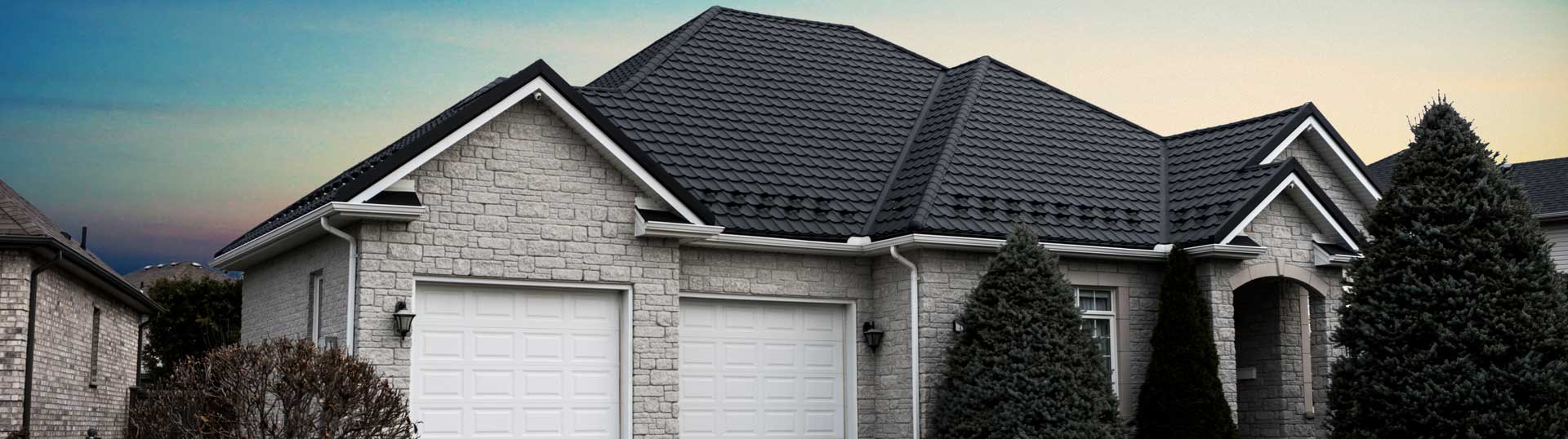
Metal roof panels are more than “good enough” for hail and heat—they are built for exactly the kind of wild weather swings Ontario sees, from golf‑ball hail to hot, sunny summers. The key is choosing quality panels, the right gauge, and proper installation.
How Metal Roofs Handle Hail
Most quality metal roofing systems earn a Class 4 impact rating, which is the highest level of impact resistance used in roofing tests. That means they are engineered to withstand impacts from standardized hail‑like projectiles without cracking or losing their protective surface. Unlike asphalt shingles, which can split or lose granules on impact, metal roofing spreads the force over a wider area, helping prevent punctures and leaks.
Average hail in southern Ontario is usually not large enough to cause structural damage to metal panels, though very large hail can sometimes leave cosmetic dents. Even then, the roof typically remains watertight and protective, which matters more than appearance when it comes to protecting your home.
Why Metal Performs So Well In Heat
A common myth is that metal roofs make homes hotter, but the opposite is usually true with modern systems. Metal roofing can be manufactured with reflective “cool roof” coatings or light colours that reflect a significant portion of the sun’s energy instead of absorbing it. These surfaces reduce heat gain through the roof and help keep attic and indoor temperatures more stable, which can lower cooling loads in summer.
Metal also sheds heat quickly once the sun goes down or a cloud passes, instead of holding onto heat the way some traditional materials do. When paired with proper insulation and attic ventilation, a metal roof contributes to year‑round comfort rather than acting like a “heat magnet.”
Built For Harsh, Changing Climates
Metal roofing is designed to flex with temperature swings, resist cracking, and stand up to high winds, so it performs well in regions with both hail and heat. Many systems carry Class A fire ratings and are non‑combustible, which adds another layer of security during lightning storms or nearby fires. With life expectancies often in the 40–70 year range, homeowners typically face fewer repairs and replacements compared with traditional shingle roofs.
For Ontario homeowners wondering whether metal panels are tough enough for summer hailstorms and heat waves, the answer is yes—provided you choose the right panel thickness, profile, and installer. Features like thicker steel gauges, impact‑rated systems, and profiles that hide minor cosmetic marks can make your roof even more resilient in rough weather.
Why Talk To London Eco‑Metal About Hail And Heat
London Eco‑Metal specializes in metal roofing systems designed for Canadian conditions, including hail, summer sun, heavy rain, and winter snow. The team can walk you through impact ratings, panel gauges, and colour options that improve both durability and energy efficiency on your specific home. If you are comparing a new shingle roof to a metal system, they can show you how a metal roof handles hail and heat over decades, not just a few seasons, so you can make an informed investment.