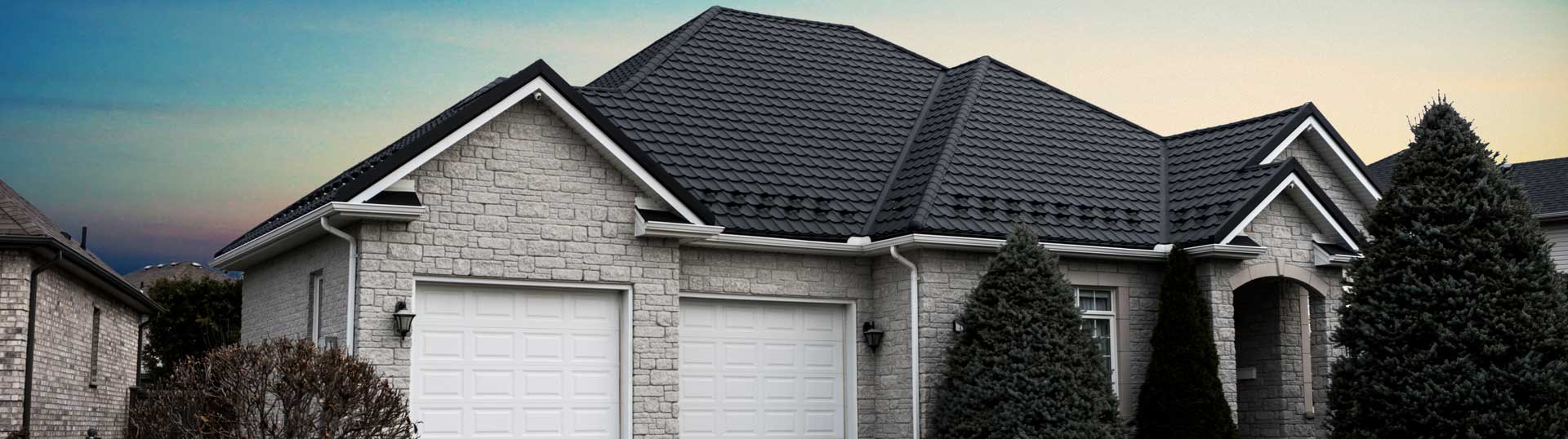
When summer listings hit the Toronto market, roofs can look “fine” from the driveway but hide a five‑figure problem. A quick, smart roof check before you make an offer can save you from surprise leaks and early replacement bills.
Here are 7 simple checks buyers can do before calling in a roofer.
1. Stand Back And Scan The Roofline
From the sidewalk or across the street, look at the overall shape of the roof. It should look straight and even.
-
Sagging, dips, or waves in the roof plane can signal long‑term moisture damage or structural issues.
-
A visibly uneven ridge line is a red flag worth a closer professional look.
This is a fast way to spot serious problems without climbing a ladder.
2. Check The Shingle Condition
Use your eyes or binoculars and walk around the house.
Look for:
-
Missing, cracked, curled, or badly worn shingles.
-
Dark “bald” patches or heavy granule loss (the roof looks patchy or shiny).
-
Mismatched repair patches that suggest past leaks.
Large areas with aging or damaged shingles usually mean you should budget for replacement, not just small repairs.
3. Look Closely At Valleys, Edges, And Flashing
Any place water concentrates is a high‑risk zone.
From the ground, check:
-
Valleys where two roof slopes meet for cracked shingles or rusted metal.
-
Metal flashing around chimneys, vents, and skylights—watch for rust, lifted edges, or gaps.
-
Exposed nail heads or caulking blobs where metal should be tight and clean.
Issues here can mean hidden leaks even if ceilings inside are not stained yet.
4. Inspect Gutters For Clues
Gutters tell the story of how the roof has been aging.
If you can safely look, check for:
-
Shingle granules collecting in gutters or at downspout bottoms.
-
Rusted, sagging, or pulling‑away gutters and downspouts.
-
Signs that water has been overflowing and staining siding or soaking near the foundation.
Heavy granule loss and poor drainage hint that the current roof is closer to the end of its life.
5. Watch For Moss, Algae, And Staining
Summer heat can bake in problems that have been growing all spring.
Look for:
-
Thick moss, especially in shaded areas or north‑facing slopes.
-
Black streaks or dark staining running down the shingles.
Light staining can be cosmetic, but heavy moss or widespread streaking often points to chronic moisture and reduced shingle life.
6. Ask About Roof Age, Material, And Warranties
Before you fall in love with the deck and kitchen, ask a few roof questions through your agent.
Key items:
-
When was the roof last replaced, and what material was used (asphalt, metal, etc.)?
-
Is there a transferable warranty, and who installed it?
-
Have there been any leak or repair claims in the last few years?
Age plus your visual checks will tell you if you are likely looking at years of remaining life—or a near‑future replacement.
7. Look Inside For Leak Signs (If Allowed)
If you can access the attic or at least upper ceilings before making an offer, take a careful look.
Watch for:
-
Water stains, dark patches, or mold on roof decking and rafters.
-
Damp or compressed insulation and musty smells.
-
Fresh ceiling paint in suspicious patches that might be hiding old stains.
Any of these should trigger a follow‑up with a professional roofer before you commit.
Why Talk To A Metal Roofing Specialist Before You Offer
A roof is one of the biggest line items you will ever face after closing and a summer thunderstorm in southern Ontario will quickly test any weak spots.
London Eco‑Metal can review your inspection photos, help you estimate remaining life on an older shingle roof, and quote a long‑life metal roof so you can factor real numbers into your offer instead of guessing.
A quick conversation before you waive conditions can turn a scary “what if the roof fails?” into a clear plan and, in many cases, a negotiation point with the seller.
If you are house‑hunting this summer, contact London Eco‑Metal to get expert eyes on the roof before you sign.