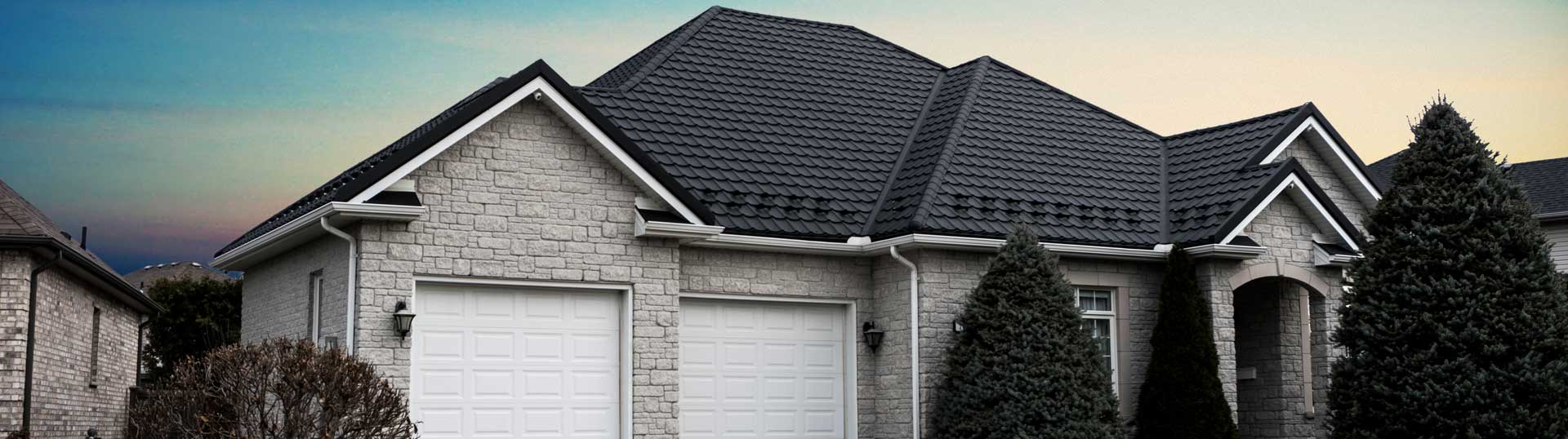

No. A metal roof may qualify for an insurance discount, but savings are not guaranteed. Eligibility depends on the insurer, policy, roofing product, documented performance, and underwriting criteria. Some insurers offer no separate metal-roof discount, while others require specific testing or certification.
Before budgeting for savings, ask your insurer to review the exact proposed roof. A general claim that metal roofing lowers premiums is not a substitute for a written quotation showing how your own coverage and price would change.
Why Might an Insurer Offer a Discount?
Insurers may recognize roofing products that meet particular performance criteria. Depending on the policy, relevant characteristics can include impact resistance, wind performance, or fire classification.
However, “metal roof” describes a broad category. Panel design, material, supporting assembly, and installation requirements vary between systems.
A rating associated with one product does not automatically apply to another. The insurer may need the precise product identification and supporting documents before deciding whether a discount applies. Ask which standard matters rather than assuming every durability claim qualifies.
What Should You Ask Your Insurer Before Ordering?
Contact your insurer or broker while comparing roofing options. Ask:
-
Does this specific product qualify for a discount?
-
Which documents are required?
-
Does the discount affect the whole premium or only part?
-
Will deductibles or exclusions change?
-
When would any revised premium take effect?
-
Is an inspection required after installation?
Request written confirmation. An informal estimate may not reflect the final policy terms.
For November and December projects, also ask how the insurer wants to be notified about installation dates and completion.
Could a Discount Come With Reduced Coverage?
Yes. Some policies may pair discounts or metal-roof coverage with a cosmetic damage exclusion. This can affect claims for dents or other appearance changes that do not impair the roof’s function.
The practical distinction matters. A roof might still shed water while showing visible storm damage. Whether that damage is covered depends on the policy wording, not simply whether the roofing material is metal.
Ask for a plain-language explanation of exclusions before accepting a premium reduction. A lower price is not necessarily better value if it removes coverage you want.
What Other Policy Details Matter?
Review more than the discount. Important questions include how claims are settled, what deductibles apply, and whether age or condition affects payment.
Ask whether the proposed roof changes:
-
Replacement-cost or depreciation provisions.
-
Storm-related deductibles.
-
Inspection requirements.
-
Maintenance obligations.
-
Coverage for roofing accessories.
Avoid assuming a manufacturer’s warranty replaces insurance. Warranties and insurance policies address different risks and have separate conditions. Keep both sets of documents and understand whom to contact when a problem develops.
Is Insurance Savings Enough Reason to Replace a Roof?
Insurance should be one consideration, not the entire justification. Compare installation cost, roof condition, product suitability, maintenance, appearance, and warranty coverage.
Do not calculate a payback period using an unconfirmed discount. Premiums and underwriting rules can change, so don’t treat future savings as guaranteed.
Keep the roofing contract, product details, installation invoice, warranty, and any required certification. Accurate records help the insurer assess eligibility and provide useful information if a future claim arises.
Discuss Your Roofing Options With London Eco-Metal
Contact London Eco-Metal to compare metal roofing systems and request product information for your insurer’s review. The company manufactures and installs metal roofing and offers associated accessories, including snow guards and gutter systems. Explain that insurance eligibility is part of your decision, then confirm any discount directly with your insurer.
Coordinating product selection, installation documentation, and coverage questions before ordering helps you make a better-informed roofing investment without relying on promised premium savings.