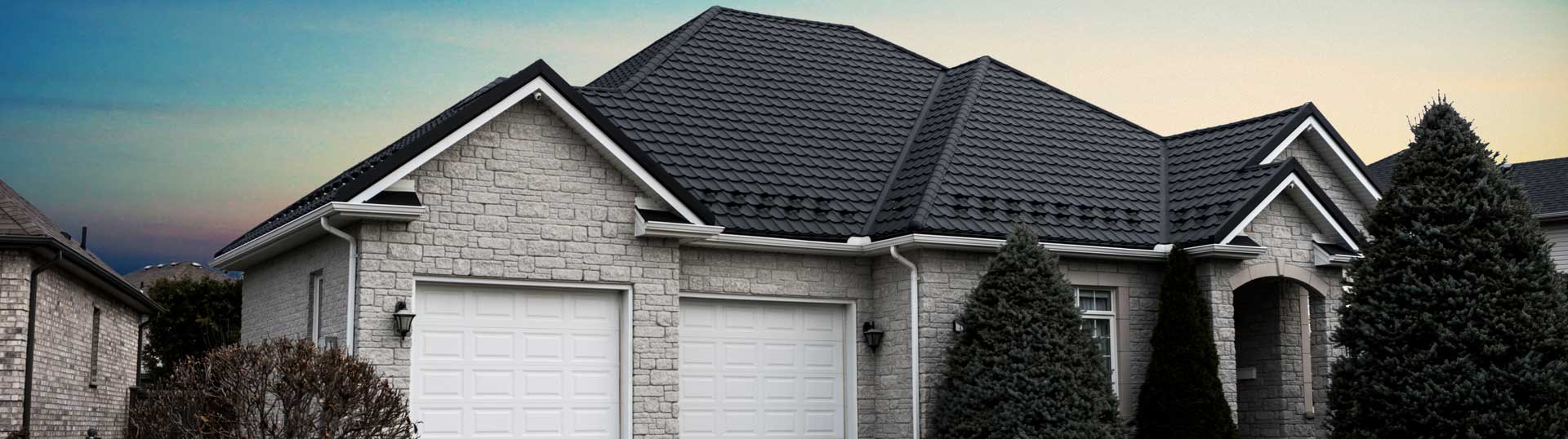
Start with the roof, not a pack of roof parts from a shelf. Snow guards can slow a sudden slide of snow from a metal roof, but the wrong type, layout, or mount can harm the panels and leave the area below at risk.
1. Picking a Mount That Does Not Fit the Roof
Metal roofs come in many forms. A raised-seam panel, an exposed-screw panel, and a metal tile roof do not all take the same mount. A clamp made for one seam shape may not grip the next. A screw-fit unit may need a firm base below the sheet, plus the right seal at each hole.
Before you buy, name the roof type and panel shape. Ask how the unit will hold fast and how the roof will shed water at the mount.
The mount must match the roof. A poor fit may pull free under a snow load or bend the metal it was meant to serve. It may also leave holes where water can get in.
2. Placing Too Few Guards on a Long Slope
A row of small guards near the eave may look like a fix, but it may not hold the snow load from a long or steep roof face. Snow builds weight as it sits. When a thaw starts, that load can push hard on one short row.
A roof pro will review the slope, the length of the roof run, the panel type, and the snow load for the site. A roof with long runs may need more rows or a rail plan, not just more pads along one edge.
Watch the areas below the roof:
-
Walks and front steps
-
Doors and garage bays
-
Low roofs and porch tops
-
Cars, plants, and bins
-
Vents, pipes, and skylights
A good layout spreads the load. It also puts care where a sudden slide could harm people or the parts below.
3. Setting Guards in the Wrong Spot
The first row must sit where it can hold snow without putting too much force on a weak edge. A unit fixed too close to the eave may load the roof trim or gutter in a way it was not built to take. A gap at the wrong spot may let a sheet of snow slide past the guard.
Valleys, dormers, and roof steps add more risk. Snow may drift into one area and pile up far more than it does on the rest of the roof.
Roof shape matters as much as roof size. A plan made from a flat sketch may miss where snow will bunch up, break free, or fall onto a lower roof.
4. Using the Wrong Fasteners or Force
A snow control unit must stay in place under a hard push, yet its mount must not crush the seam or strip a screw hole. The risk goes up if an installer swaps parts, skips a seal, or drives a fastener too far.
Follow the roof and guard maker’s fit guide. That may call for a set clamp, a set tool, or a specific type of screw. Do not add holes to a roof that calls for a clamp-fit system.
A strong hold must also keep out water. Even a well-placed unit can cause leaks if its mount harms the panel or breaks the roof’s water seal. A pro should check the mount after it goes in.
5. Treating the Job as Done After Install
Snow guards need a look now and then, more so after a hard winter. Snow and ice can bend a loose rail, shift a mount, or leave parts that no longer line up. A guard that stays up but pulls at the panel may still need work.
Do not climb onto a wet, icy, or snow-covered roof. Check from the ground for parts that look bent, out of line, or gone. Note new marks on the roof or a gutter that now sags.
A ground-level check can spot early signs of strain. If you see a change, ask a roof pro to check the system before the next snow season.
Plan the System With the Roof
These errors have one theme: snow control is part of the roof plan, not a part you add by guesswork. The best choice rests on panel shape, roof pitch, roof length, snow load, and what sits below the eaves.
London Eco-Metal makes and fits metal roofing, and its range includes snow guards and gutter systems. Its roof panel guide shows roof types and related parts. Its guide to guard installs shows why roof type and guard layout need care from the start.
If your metal roof sheds snow over a walk, door, car space, or lower roof, talk with London Eco-Metal before you add parts. Share the roof type, photos of the slope, and the spots you need to shield. The team can review guard or rail choices, plan a fit that suits the panels, and help you cut the risk of roof harm from a poor mount. Ask for a roof review before the next heavy snow.