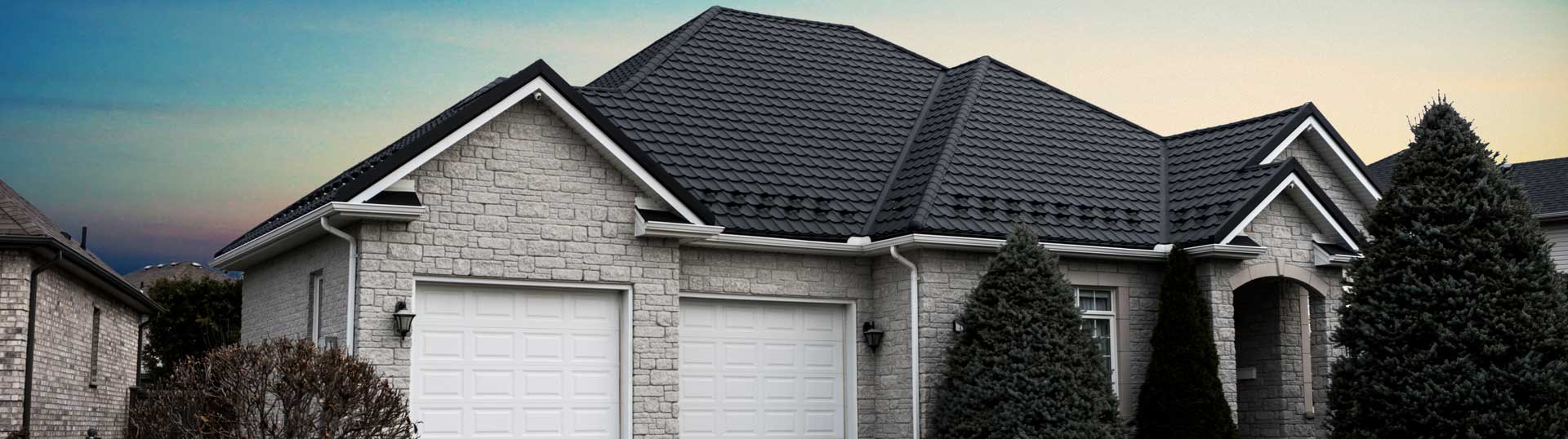
After a long Ontario winter, April is the month your roof finally tells the truth. Snow loads, ice dams, wind, and rapid freeze‑thaw cycles all leave small scars that most homeowners never see from the ground.
A spring roof inspection is about finding those early trouble spots while they are still quick repairs—not full‑blown leaks or emergency replacements. When inspectors climb the ladder in April, there are a few issues they look for first, because those are the ones that most often turn into costly water damage by the time summer storms arrive.
What Does a Roof Inspector Check First?
The very first thing a roof inspector checks is how well the roof is still shedding water. That means looking closely at shingles or panels for anything that is loose, lifted, cracked, or missing. Even a slightly lifted shingle tab or raised metal panel edge can act like a tiny scoop, catching wind‑driven rain and meltwater and sending it underneath the surface.
On metal roofs, inspectors pay attention to fasteners and seams: popped fasteners, backed‑out screws, or sealant that has dried and pulled away from seams are all early warning signs that water has a path in if spring storms hit from just the right angle.
Next, inspectors focus on the places where your roof has to work the hardest: transitions and penetrations. Every chimney, vent pipe, skylight, and wall transition relies on flashing and sealants to bridge between materials. Over winter, metal flashing can flex with temperature changes, while sealants can shrink, crack, or pull away.
In April, a good inspector will gently test these areas, looking for hairline gaps, rust, brittle sealant, or flashing that has lifted or been bent by ice or drifting snow. Many leaks that show up on ceilings in May or June actually started as tiny flaws in these details months earlier.
Drainage Issues
Once the main surface and flashings are checked, drainage is the next priority. Spring melt and rain put gutters, downspouts, and valleys to the test. Inspectors look for gutters that are clogged with granules, leaves, or winter debris, as well as sections that have sagged or pulled away from the fascia. On sloped roofs, valleys are critical: if they are full of needles, twigs, or shingle granules, water can back up and sneak under the roofing. For metal roofs, valleys and eaves are also key places to check for damage caused by sliding snow and ice, such as bent panels, loose trim, or compromised snow guards.
A thorough April inspection does not stop outside. The attic and upper interior ceilings can reveal problems that are invisible from the ground. Inspectors will look for water staining on the underside of the roof deck, dark spots or mould growth on wood or insulation, and any signs of dampness around penetrations.
They also pay attention to ventilation: blocked soffit vents, undersized exhaust vents, or signs of condensation on nails and metal components suggest that warm, moist air from the house is getting trapped under the roof. Poor ventilation can shorten the life of both shingles and metal roofing by keeping decks damp and allowing ice dams to form more easily in winter.
Winter movement of the house structure itself is another reason April is important. As temperatures swing, materials expand and contract. Fasteners in both shingle and metal systems can work loose over time. An inspector will often find nails that have popped through shingles or screws that have backed out on metal panels.
These small changes create tiny pathways for water and also make it easier for future wind events to lift materials. Catching and tightening or replacing fasteners now is far simpler than opening walls later to repair hidden water damage.
Older Roof Woes
For homeowners with older roofs, April is often when the big question comes up: patch or plan for replacement? An inspector is not just looking for isolated issues, but for patterns. Widespread granule loss, curling or brittle shingles, or large areas of metal with worn coatings, corrosion, or repeated sealant failures are signs that the roof is nearing the end of its useful life. In those cases, a good inspection report will flag both the immediate “must‑fix” items and the longer‑term reality, so you have time to budget and choose the right replacement—such as a durable metal system that handles Ontario’s winters more gracefully.
The real value in an April roof inspection is timing. Winter has done its work, but heavy spring and summer storms have not yet arrived. Addressing loose components, weak flashing, poor drainage, and early moisture problems now dramatically reduces the chance of surprise leaks, interior damage, and emergency calls during the next big downpour.
For homeowners who want peace of mind, it is one of the simplest annual habits to protect both the roof and everything underneath it.