Metal roofing has gone mainstream around the GTA, but a surprising number of myths from decades ago still shape how homeowners think about it. Outdated ideas about noise, lightning, and heat can scare people away from one of the most durable roof options available. In 2026, it is time to clear up the most common misconceptions so owners can compare metal panels with other roofing on facts, not folklore.
Myth One: Metal Roofs Are Loud In The Rain
One of the oldest myths is that metal roofs sound like a drum in every storm. That image comes from old sheds and barns where bare metal was fastened directly over open framing. Modern residential metal roofs are installed very differently. They sit over solid decking, underlayment, and often additional insulation. That assembly deadens sound, so rainfall noise is similar to—sometimes quieter than—a typical asphalt shingle roof. For most GTA homes, street traffic and interior noise easily drown out any difference.
Myth Two: Metal Roofs Attract Lightning
Another stubborn belief is that metal roofs “attract” lightning and put a home at higher risk. Lightning is drawn to height, isolation, and direct paths to ground—not to specific roofing materials. A tall tree or a higher neighbouring building is more likely to be hit than a typical house roof. If lightning does strike, metal roofing actually performs well: it is non‑combustible, helps spread the energy safely, and will not ignite like some combustible materials. The real focus for safety is a properly designed lightning protection and grounding system, regardless of roof type.
Myth Three: Metal Roofs Make Homes Hotter
Many homeowners worry that metal panels will bake the house in summer. In reality, colour, finish, and attic insulation have a far bigger impact on comfort than the material itself. Light‑coloured or reflective metal finishes can bounce a significant portion of the sun’s energy away from the roof, reducing heat gain compared with dark shingles. Combined with proper attic ventilation and insulation, metal roofing can help stabilize indoor temperatures and even reduce cooling costs in hot spells.
Myth Four: Metal Roofs Are Only For Farms Or Factories
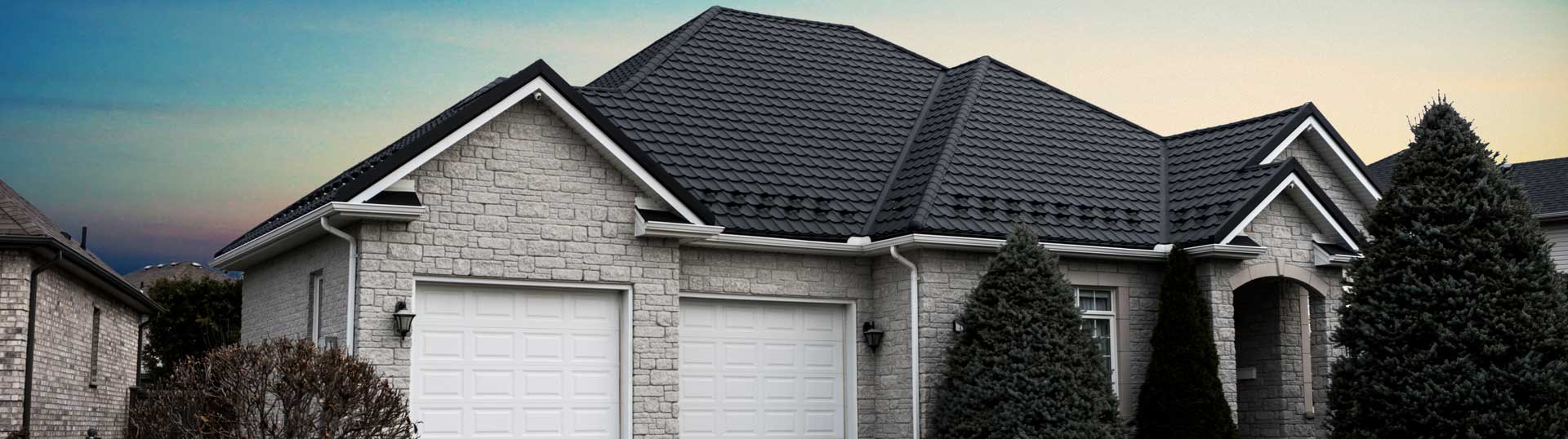
Some GTA owners still picture metal roofing as corrugated sheets on barns or industrial buildings. Today’s metal systems are designed for homes as much as for commercial spaces. Panels can be formed to mimic shingles, slate, or tile, and come in a wide range of colours and profiles. That means you can get the durability of metal without sacrificing curb appeal or neighbourhood fit. For modern, heritage, or suburban homes, there is usually a metal profile that matches the architectural style.
Myth Five: Metal Roofs Dent Or Rust Easily
Concerns about denting and rust also linger. While any roof can be damaged by extreme hail or falling branches, quality metal roofs use robust gauges and impact‑resistant coatings that stand up well to typical GTA weather. Rust resistance has also improved dramatically. Galvanized steel, aluminum, and advanced coatings are engineered to protect against corrosion, especially when installed with compatible fasteners and trims. Routine maintenance, like clearing debris from valleys and gutters, helps preserve that protection over the long term.
The Reality: Long‑Term, Low‑Maintenance Protection
When the myths are stripped away, metal roofing is less of a niche option and more of a long‑term building upgrade. It offers long service life, excellent shedding of snow and ice, and strong resistance to wind and fire.
For homeowners thinking beyond the next five years, that stability can be just as important as looks. In 2026, GTA owners have access to better products and more experienced installers than ever; the main thing standing in the way is outdated information.