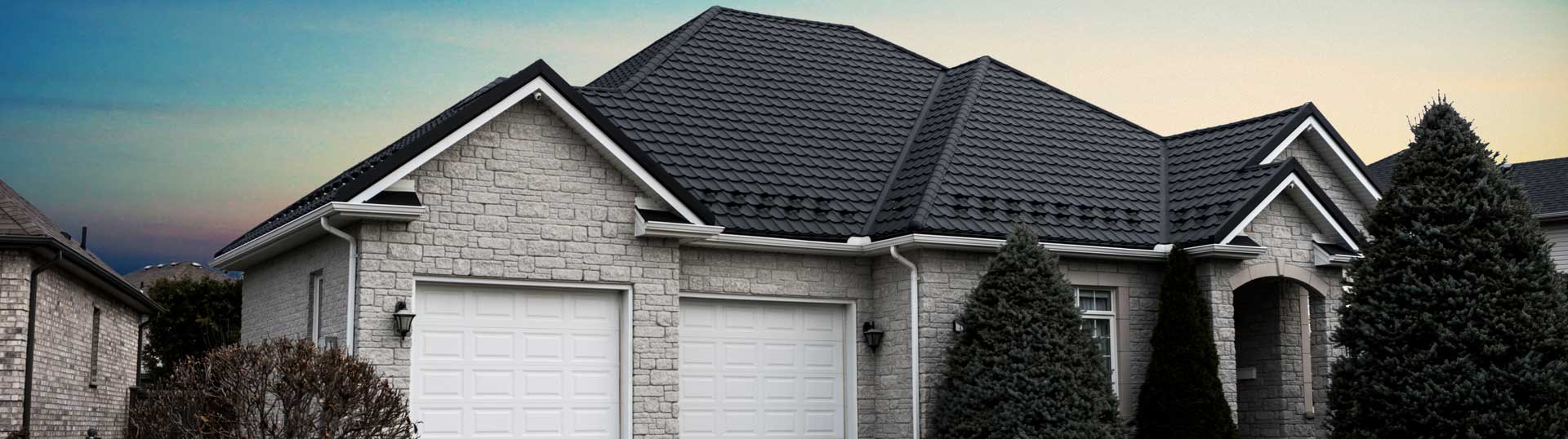
In climates with bitter cold, heavy snow, and strong winds, roofing takes a serious beating. Thoughtful winter metal roof durability planning gives building owners a system that stands up to harsh conditions year after year. Properly designed and installed metal roofs offer a strong defense where other materials struggle.
Some people still picture metal roofs as noisy or strictly industrial. Modern winter metal roof durability reflects advances in coatings, fastening systems, and insulation that improve comfort, efficiency, and aesthetics. With the right choices, metal roofs can complement many architectural styles while delivering long service life.
How Metal Handles Snow and Ice
Smooth metal surfaces shed snow more readily than many traditional materials. As temperatures fluctuate, snow often slides off rather than lingering and adding significant weight. This reduces structural strain and the likelihood of ice dams forming near eaves.
Snow retention systems, such as guards or bars, can be added where controlled release is important for safety around entrances or walkways. These components are designed to work with the roof profile and local snow conditions.
Wind, Expansion, and Structural Integrity
Metal roofing panels and fastening systems are engineered to resist high winds when installed according to tested specifications. Continuous panels, secure clips, and properly spaced fasteners help the system remain stable under uplift forces.
Because metal expands and contracts with temperature changes, modern systems incorporate sliding clips and joint designs that accommodate this movement without tearing or loosening. This flexibility supports long-term watertight performance across wide temperature ranges.
Corrosion Resistance and Coatings
Advances in protective coatings and alloy choices have greatly improved resistance to rust and surface wear. Factory-applied finishes provide a barrier against moisture and pollutants, while also enabling a broad color palette. Selecting products appropriate for local environmental conditions is essential for best results.
Regular inspections and basic maintenance—such as clearing debris from valleys and checking fasteners and sealants—help coatings do their job. Addressing minor scratches or damage early prevents localized corrosion from spreading.
Energy Efficiency and Interior Comfort
Metal roofs can contribute to energy performance through reflective finishes and compatible insulation strategies. High-reflectance coatings reduce solar heat gain, which is especially valuable in sunnier winter climates and shoulder seasons. Underlays and insulation layers beneath the metal help manage heat loss and noise.
Ventilation also plays a role. Properly designed roof assemblies allow moisture to escape while preserving desired indoor temperatures, supporting both comfort and building durability.
Life-Cycle Value for Owners
While metal roofing may involve higher upfront costs than some alternatives, its long service life and reduced maintenance needs can offer strong long-term value. Fewer replacements mean less disruption to operations and lower cumulative material use over decades.
For commercial, industrial, and residential properties alike, the ability to withstand repeated winter extremes without extensive repairs is a major advantage. Owners can plan budgets with more confidence and focus on other priorities.
To explore whether a metal roof is the right solution for your building this winter and beyond, contact our roofing specialists for an evaluation, design guidance, and detailed proposals tailored to your structure.